
South Africa is paying the price for cheap alcohol – in lives lost, overcrowded hospitals, gender based violence, unsafe roads, and a stretched public purse.
#Budget2026 is a critical opportunity to change course. This media hub brings together the evidence, policy positions, spokespeople, and ready to use resources journalists need to report accurately and confidently on alcohol pricing policy, including excise reform and Minimum Unit Pricing.
1. What we are calling for in Budget 2026
Rethink Your Drink calls for decisive action on alcohol pricing policy to reduce harm and protect public resources.
Specifically, we are calling for:
- Stronger alcohol pricing policy that reflects the true social and economic cost of alcohol harm
- Excise tax reform that discourages high risk consumption while contributing to public revenue
- The introduction of Minimum Unit Pricing (MUP) to raise the floor price on the cheapest, highest strength alcohol products linked to the greatest harm
- Pricing reform alongside enforcement and prevention, not instead of it
Why this matters
Alcohol harm is not a marginal issue. It drives trauma admissions, violence, road deaths, lost productivity, and long term health costs. Pricing policy is one of the most effective, evidence based tools available to government to reduce harmful consumption at scale.
2. The Research
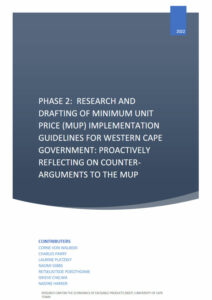
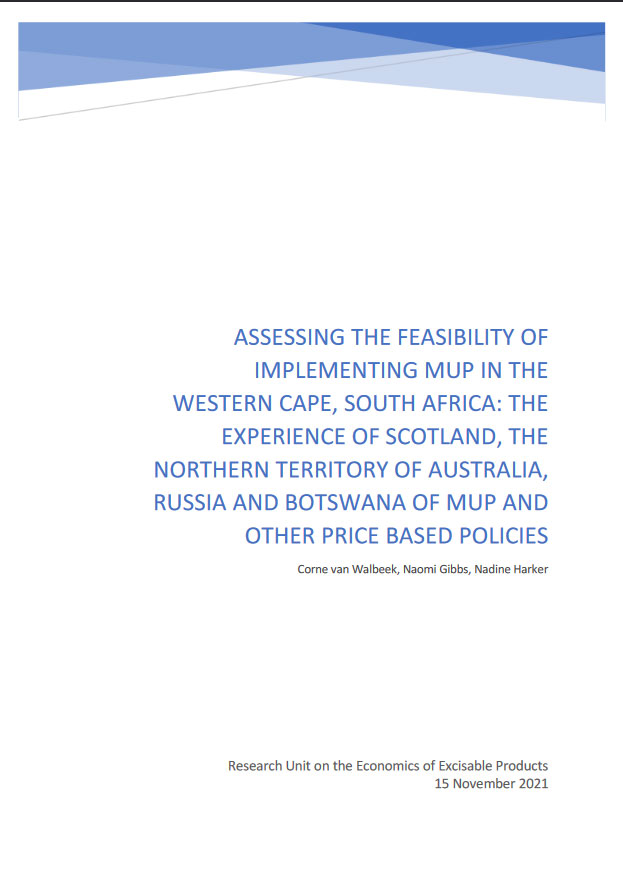
DGMT has commissioned modelling studies to explore the potential impact of MUP.


3. Policy briefs
This page focuses on two core pricing policy tools relevant to Budget 2026.
Minimum Unit Pricing
A detailed policy brief explaining what MUP is, how it works, and why it is effective in reducing harm linked to cheap, high strength alcohol.
Alcohol Excise Tax Reform
A policy brief outlining how excise taxes work, why reform is needed, and how excise can better align with public health objectives.
5. Opinion pieces and commentary
A curated collection of published opinion pieces related to alcohol pricing policy.
Kashifa Ancer: Cherry-picking from Scotland’s story on alcohol pricing misleads SA

Op-ed: Liquor industry should stop feigning concern for public health and safety
Op-ed: Take the liquor industry’s claims on pricing with a fistful of salt
Op-ed: Minimum unit pricing will reduce harm from heavy drinking
6. Frequently asked questions
General alcohol questions
What is a standard drink and why does it matter?
A standard drink is a way of measuring alcohol content across different beverages. Harm increases as the amount of alcohol consumed increases, regardless of drink type. Using standard drinks helps compare risk across beer, wine, spirits, and ready to drink products.
Examples of one standard drink include:
- About 340 ml of beer (roughly one regular can)
- About 125 ml of wine (a small wine glass)
- About 25 ml of spirits (one single shot)
Many drinks served at home, in taverns, or at social events contain more than one standard drink, which means people may consume more alcohol than they realise.
What is binge drinking?
Binge drinking refers to drinking a large amount of alcohol in a short period of time. It is commonly defined as consuming enough alcohol to raise blood alcohol concentration rapidly, often five or more standard drinks on a single occasion. Binge drinking is strongly associated with injuries, violence, road crashes, and acute health harms.
What is heavy drinking?
Heavy drinking refers to regular consumption of large amounts of alcohol over time. It increases the risk of chronic health conditions, dependence, and long term social harm. Heavy drinking does not only affect a small group of people with alcohol dependence.
Why focus on policy instead of individual responsibility?
Alcohol harm is shaped by the environment people live in, including price, availability, and marketing. Policy changes reduce risk across the population and support healthier choices, rather than relying only on individual willpower.
Is alcohol harm limited to people with dependence?
No. A significant proportion of harm is linked to heavy drinking occasions, including binge drinking, among people who do not identify as dependent.
What are the WHO Five Best Buys and SAFER strategies?
The World Health Organization identifies a set of highly cost effective measures to reduce alcohol harm. These include increasing alcohol taxes, restricting availability, banning or limiting advertising, enforcing drink driving laws, and providing brief interventions in health settings. The SAFER package brings these together into practical policy actions that governments can implement.
What is ethanol?
Ethanol is the type of alcohol found in alcoholic beverages. It is the substance that causes intoxication and harm, regardless of whether it is consumed in beer, wine, spirits, or ready to drink products. Policies that focus on ethanol content aim to better reflect actual alcohol strength.
What is an RTD?
RTD stands for ready to drink. These are pre mixed alcoholic beverages, often sweetened and flavoured, that typically contain spirits mixed with soft drinks or juice. RTDs are widely consumed by young people and can contain high levels of alcohol.
What is Rethink Your Drink?
Rethink Your Drink is a South African alcohol harm reduction campaign that advocates for evidence based policies to reduce alcohol related harm, protect communities, and support healthier environments.
Pricing Policy FAQs: Excise and Minimum Unit Pricing
What do you mean by pricing policy?
Pricing policy refers to approaches that influence the price of alcohol to reduce harmful consumption. This includes excise taxes and Minimum Unit Pricing.
What are alcohol excise taxes?
Excise taxes are taxes applied to alcohol products. When structured effectively, they reduce harmful consumption and generate revenue.
Is Minimum Unit Pricing a tax?
No. Minimum Unit Pricing sets a minimum price per unit of alcohol so that very cheap, high strength products cannot be sold below a set floor price.
Will pricing policy punish responsible drinkers?
Pricing policy primarily affects heavy consumption and the cheapest high strength products linked to disproportionate harm. Moderate drinkers are less affected.
Will MUP hurt small traders and SMMEs?
MUP prevents a race to the bottom on ultra cheap alcohol. Evidence shows it can create a fairer trading environment while reducing violence and instability that harm local businesses.
Does pricing policy increase illicit trade?
Illicit trade is driven by enforcement failures, supply chains, and corruption. Pricing policy should be implemented alongside stronger enforcement, not abandoned because of it.
Why do both excise reform and MUP?
Excise supports revenue and broad consumption shifts. Minimum Unit Pricing directly targets the cheapest products causing the most harm. Together they are more effective.
7. Spokespeople
Our spokespeople are available for interviews, background briefings, and on air commentary.
Each profile includes areas of expertise and contact details for rapid booking.

Kashifa Ancer
Campaign Manager: Rethink Your Drink
Kashifa coordinates stakeholder engagement, media strategy, and digital content for Rethink your Drink. She is available for commentary on public messaging, community storytelling, and solutions-focused advocacy.
Contact: Kashifa@dgmt.co.za

Dr. Busisiwe Kabane-Bailey
Innovation Director: DGMT
Busi brings a public health lens to alcohol harm and social innovation. She is available for interviews on system-level strategies to reduce alcohol harm, youth mobilisation, and public sector innovation.
Contact: Kashifa@dgmt.co.za

Dr. David Harrison
Chief Executive Officer: DGMT
David is a medical doctor and long-time policy leader in public health and social equity. He speaks on national alcohol legislation, long-term health and development goals, and DGMT’s broader public innovation strategy.
Contact: Kashifa@dgmt.co.za
8. Media contact and assets
Media enquiries
Email: kashifa@dgmt.co.za
Phone and WhatsApp: 062 496 8716
This page will be updated regularly in the lead up to Budget 2026.
